
Travel planning has evolved from a simple task to a complex one that requires multiple services. Nowadays, people do not simply book a hotel or a flight separately; they want their whole trip to be planned by one single provider. In case your website is offering only one service, customers have to visit different sites to fulfill their needs, which in turn breaks their flow and decreases the probability of conversion significantly. A full travel booking platform does this by integrating hotels, flights, car rentals, and transfers to give a smooth user experience.
This guide explains the ways to develop such an ecosystem and the role of RateHawk as a robust supply layer in your travel inventory.
Why a Complete Travel Platform Matters
A person looking for flights may also require a place to stay. A customer reserving a hotel could be interested in airport transfers or a rental car as well.
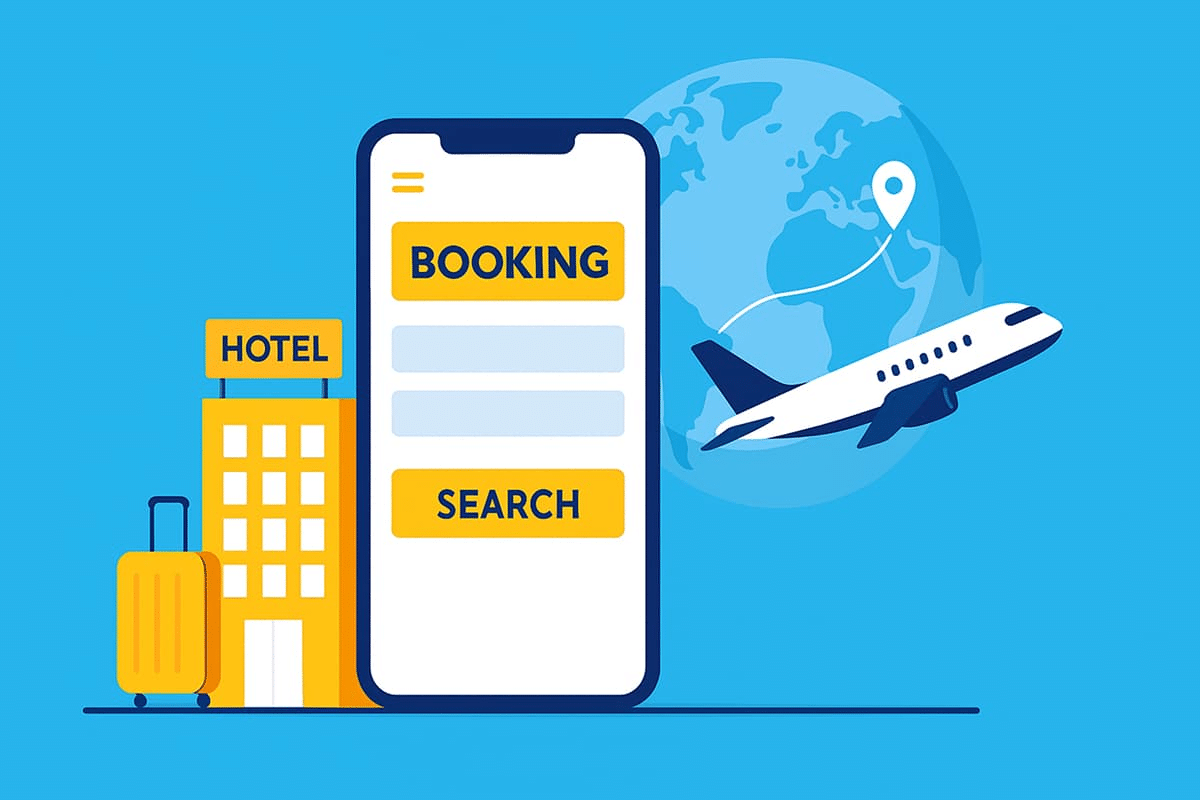
If your platform offers all these services in one go, a number of advantages come about:
- Higher conversion rates because the entire journey stays on your platform
- Stronger user trust through consistent pricing and real-time availability
- Better brand positioning as a one-stop travel solution
Convenience is the currency of modern travel tech. A complete booking platform gives your users exactly that.
What Is RateHawk—and Why Use It?
RateHawk provides a unified travel API that gives access to:
- Global hotels
- International and domestic flights
- Car rentals
- Transfers
Instead of managing separate integrations with multiple suppliers, Hotel booking engine lets you pull all inventories through one source with live availability, updated prices, and instant booking options. This reduces development complexity while improving overall platform reliability.
How to Build a Complete Travel Booking Platform
Just mixing APIs to create a large-scale travel booking platform is not sufficient; a user experience that is smooth, dependable, and makes perfect sense by merging hotels, flights, cars, and transfers into one flow has to be developed. Have a look at how professionals build a complete travel booking platform.:
Step 1: Define the Booking Flow
Define the offerings of your platform in a precise manner along with the flow of travelers. The way you start, whether it is with hotels and flights or if you decide to go live with everything at once, your range of work decides the system architecture, timelines, and integrations needed. Such clarity acts as a safeguard against technical debt in the future.
Step 2: Secure Access to the RateHawk API
Once you have determined your scope, get your RateHawk API credentials. These keys enable your system to get live inventory for hotels, flights, cars, and transfers. After getting access to the internet, your platform can make a call for the most up-to-date pricing, availability, and booking data.
Step 3: Study the API Documentation Thoroughly
It is pretty necessary that your development team knows about RateHawk’s endpoints before you start building. This should be all the technical parts that include searching, filtering, booking, cancellation policies, and post-booking operations. A good technical understanding of the interface will ensure a hassle-free integration and less trouble in production.
Step 4: Build an Intuitive Search and Discovery Layer
Since the users interact the most with your search interface, usability is the main concern. The user should feel that everything is very simple when they input a destination, choose the dates, change the traveler details, and filter the results. In a large measure, conversion rates are influenced by the neatness of the pages, the speed of loading, and the responsive design.
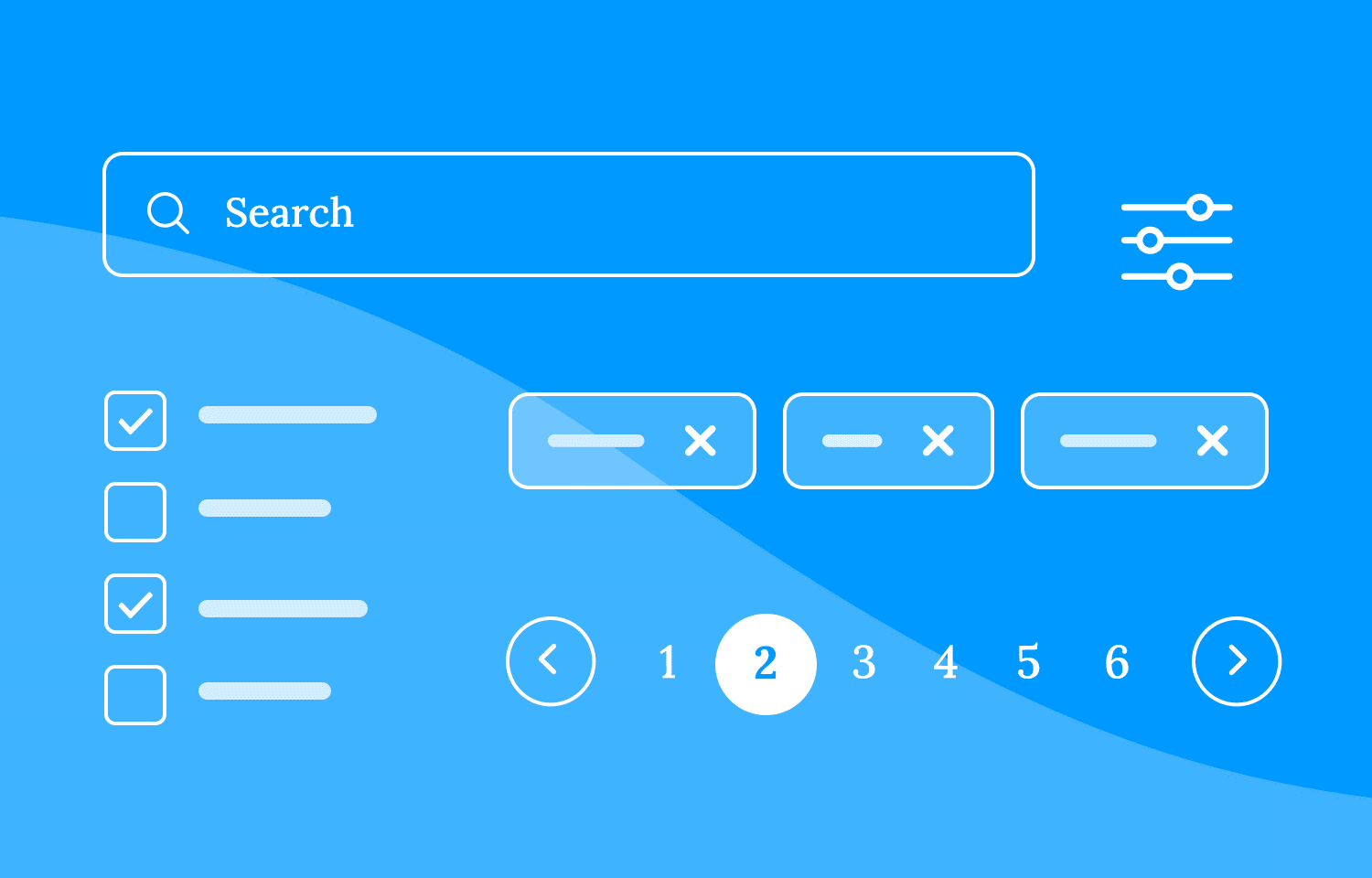
Key filters that enhance usability include:
- Price range
- Hotel amenities
- Flight timing and cabin class
- Car rental types
- Transfer options
Step 5: Integrate Real-Time Data and Pricing Logic
With your interface ready, begin connecting “live” data from RateHawk. This action guarantees that solely correct hotel rooms, airplane seats, or rental cars are shown. Live inventory reduces booking errors, elevates customer confidence, and builds a more dependable platform in general.
Step 6: Build a Secure and Efficient Booking Engine
A robust booking engine ties everything together. It should handle user details, payment workflows, and confirmation steps without friction. Ensuring speed, security, and transactional accuracy is critical because this stage directly impacts revenue and user confidence.
Step 7: Add Post-Booking Functionality
Professional travel platforms go beyond the booking moment. Add features that help users manage their reservations and stay informed.
Useful additions include:
- Automated booking confirmations
- E-Tickets and Vouchers
- Cancellation or modification options
- Trip reminders and support access
All these features improve the overall experience of users and also encourage them to use your website repeatedly.
It may look like a massive challenge to have to build a full travel booking system from scratch, but with the right framework it is definitely possible. A great plan and a powerful API like RateHawk can work wonders for your system to show the availability of hotels, flights, cars, and transfers all in one platform. Your customers get an easier experience, you raise your brand worth, and your platform becomes a trendy, comprehensive travel solution.